New Zealand · Comparison
North Island vs South Island: Which Should You Visit?
How New Zealand's North and South Islands differ, which suits your interests, and how to divide your time on a one- to three-week trip.
The short answer
If you have time for only one island and want New Zealand's most dramatic alpine scenery, choose the South Island. The North Island suits travelers more interested in Māori culture, geothermal landscapes, beaches and cities. With two weeks or more, most first-time visitors are happiest combining both, spending roughly two-thirds of their time in the South.
The two islands at a glance
| North Island | South Island | |
|---|---|---|
| Landscape | Volcanic plateaus, geothermal valleys, rolling farmland, subtropical coast | Southern Alps, glaciers, fjords, alpine lakes, braided rivers |
| Culture | Strongest concentration of Māori cultural sites; Auckland and Wellington | Smaller towns, historic gold-mining villages, Christchurch |
| Signature places | Auckland, Bay of Islands, Rotorua, Taupō, Tongariro, Wellington | Queenstown, Wanaka, Fiordland, Aoraki/Mount Cook, Kaikōura, the West Coast |
| Climate | Generally milder and warmer | Cooler, with alpine conditions; drier in Central Otago, wetter on the West Coast |
| Population | Home to most New Zealanders | Fewer people, more open space |
| Pace | Shorter distances between main sights | Longer, highly scenic drives |
What the North Island does best
The North Island is where most New Zealanders live, and it holds the country's largest city, Auckland, and the capital, Wellington. It is also where Māori culture is most visible to visitors. Rotorua is the best-known place to experience it, while the Waitangi Treaty Grounds in the Bay of Islands are essential for understanding the country's founding.
Its landscapes are volcanic and geothermal: geysers and mud pools around Rotorua, Lake Taupō, and the dramatic volcanoes of Tongariro National Park, where the Tongariro Alpine Crossing is one of the country's most celebrated day hikes. In the far north, the Bay of Islands offers a warm, sheltered coastline for sailing. Wine regions such as Hawke's Bay and Waiheke Island, and Wellington's food and museum scene, add to its appeal.
Choose the North Island if: you are most interested in culture, cities, geothermal landscapes, beaches and wine, prefer shorter drives, or are traveling in winter, when the North is milder.
What the South Island does best
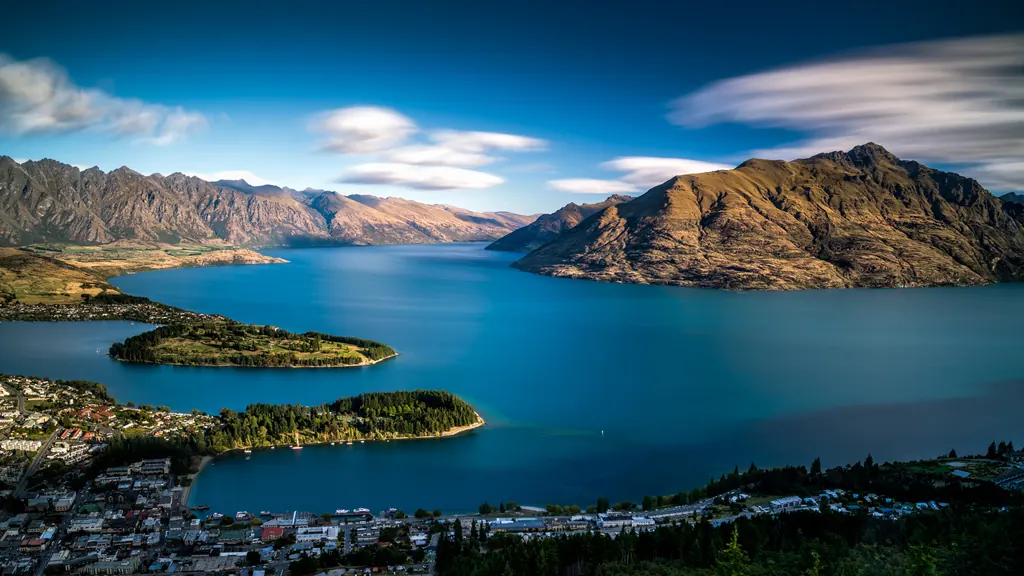
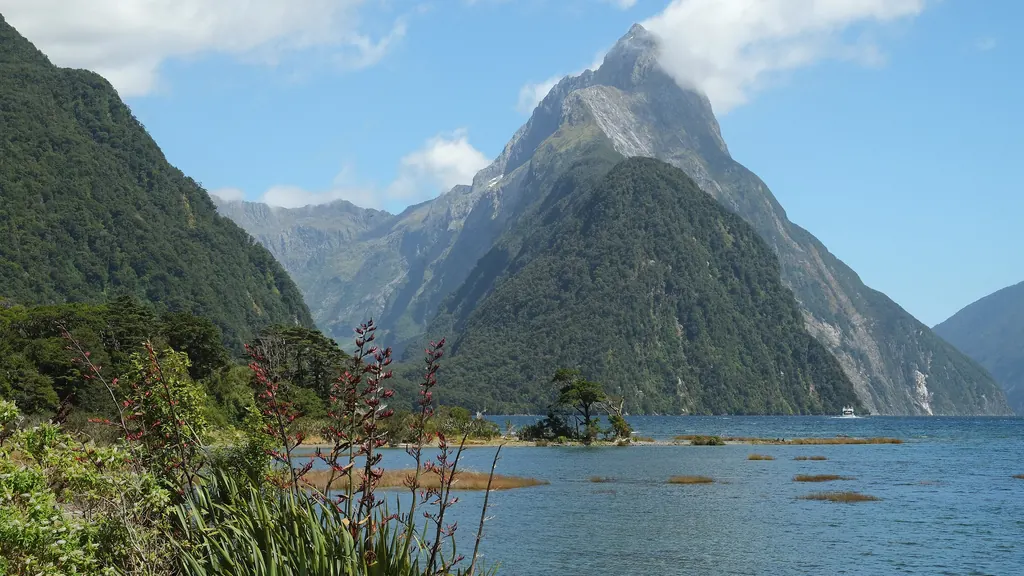
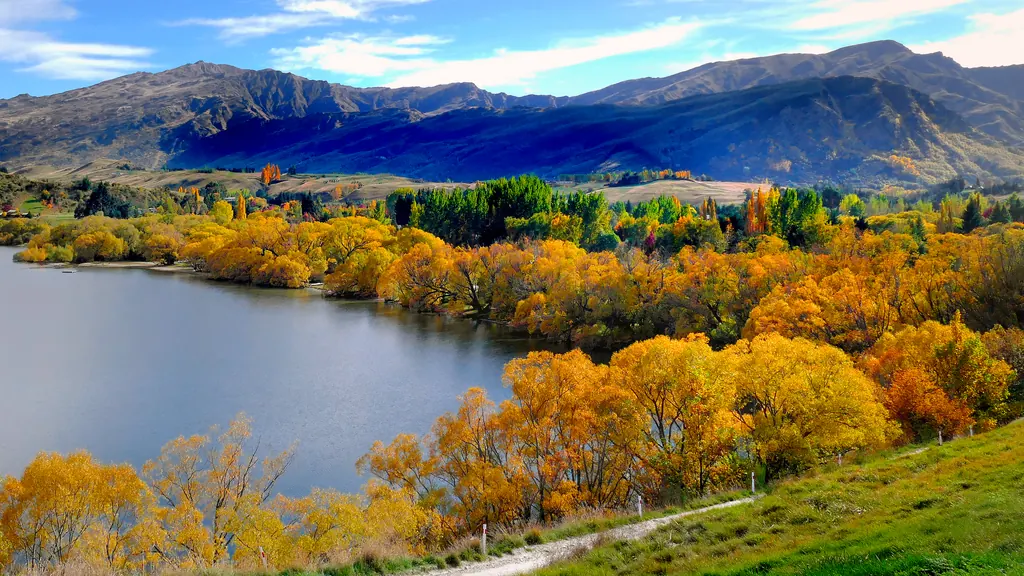
The South Island is where New Zealand's landscapes become truly grand. The Southern Alps run almost its entire length, with Aoraki/Mount Cook, the country's highest peak, at their center. Glaciers descend toward the rainforest on the West Coast; Fiordland's sounds cut deep into the southwest; and the lakes of Central Otago, around Queenstown and Wanaka, are framed by mountains.
It is also where you will find many of New Zealand's luxury lodges, its most famous walking tracks, and wine regions such as Central Otago and Marlborough. Whale watching at Kaikōura and the dark-sky reserve around Lake Tekapo are further highlights.
Choose the South Island if: scenery is your priority, you enjoy walking and the outdoors, or you want the classic images of New Zealand: mountains, fjords and lakes.
How to divide your time
| Time on the ground | Our usual recommendation |
|---|---|
| 7 to 10 days | Choose one island. For most first-timers, that means the South Island, perhaps with a night in Auckland on arrival. |
| 12 to 16 days | Combine both: about 4 to 5 days in the North (Auckland, Rotorua, perhaps the Bay of Islands) and 8 to 11 in the South. |
| 3 weeks or more | Explore both more fully, adding Wellington, the Marlborough Sounds, the West Coast glaciers or Aoraki/Mount Cook. |
These are guidelines rather than rules. Someone primarily interested in Māori culture, cities and beaches might reasonably spend more time in the North, while hikers may want almost all their time in the South.
Getting between the islands
There are two main options:
- Domestic flights connect Auckland, Wellington and Rotorua with Christchurch and Queenstown. Flying is the most time-efficient way to link the islands on a two-week trip.
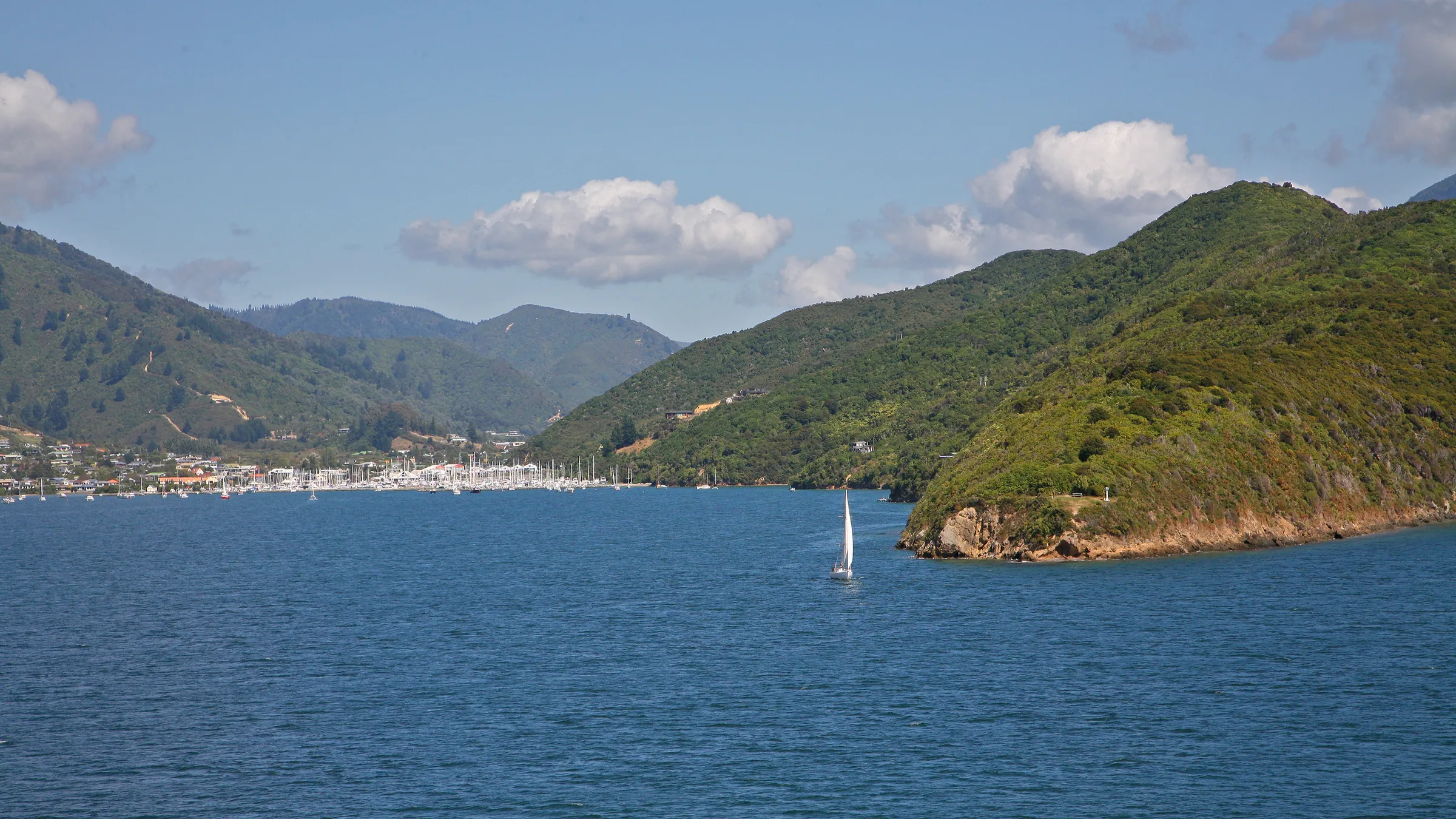
- The Cook Strait ferry between Wellington and Picton is a scenic crossing that suits travelers on a longer road trip, particularly with a rental car. The crossing takes a few hours and should be booked ahead in peak season. Check current schedules with the ferry operators.
Many itineraries arrive in Auckland and depart from Queenstown or Christchurch (via a domestic connection), which avoids doubling back.
A sample route combining both
Our 12-day New Zealand journey spends four nights in the North Island (Auckland and Rotorua), then flies to Queenstown for lakes, wine country and Fiordland. It is designed for travelers who want both islands without long driving days.
Frequently asked questions
Which island is better for a first visit to New Zealand?
If you must choose, the South Island usually delivers the landscapes first-time visitors imagine. With two weeks, combining both gives a fuller picture of the country.
Can you see both islands in one week?
It is possible but rushed. With a week, we usually suggest focusing on one island, so you spend your time exploring rather than in transit.
Which island has better weather?
The North Island is generally milder. The South Island has more varied conditions: dry, hot summers and cold winters in Central Otago, and frequent rain on the West Coast and in Fiordland.
Is the North Island worth visiting?
Yes. Rotorua's geothermal areas and Māori culture, the Bay of Islands and Tongariro National Park are distinctive experiences you will not find in the South.