For many travelers, Japan is a country they return to again and again. A first trip usually centers on Tokyo and Kyoto, often with Osaka, Hakone or Hiroshima. Later trips go deeper: the Japanese Alps, the art islands of the Seto Inland Sea, Kanazawa, Kyushu or Hokkaido. The rail network makes moving between regions efficient, but the most rewarding itineraries still keep the number of hotel changes low.
Why visit Japan
- Culture in daily life. Shrines, temples, gardens, crafts and seasonal festivals are part of ordinary life, not museum pieces.
- Food. From convenience-store snacks to multi-course kaiseki, Japan's food culture rewards attention at every level.
- Ryokan and onsen. Staying at a traditional inn with hot-spring baths is one of the defining experiences of a trip.
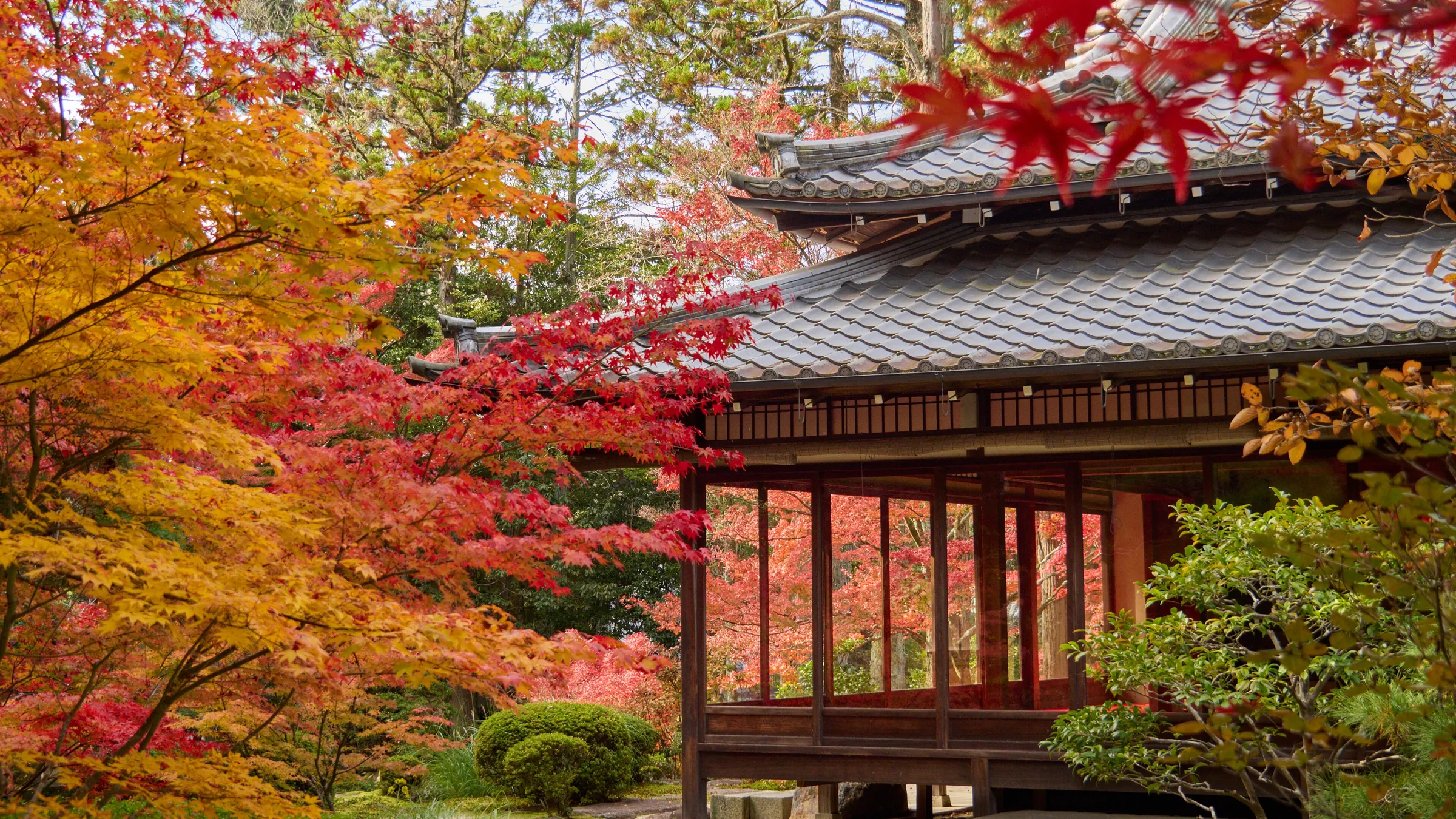
- Seasons. Cherry blossoms in spring, fresh green in early summer, autumn foliage and snow country in winter each change the character of the country.
- Ease and reliability. Efficient public transport, high standards of service and a strong reputation for safety.
Regions and places to explore
Tokyo
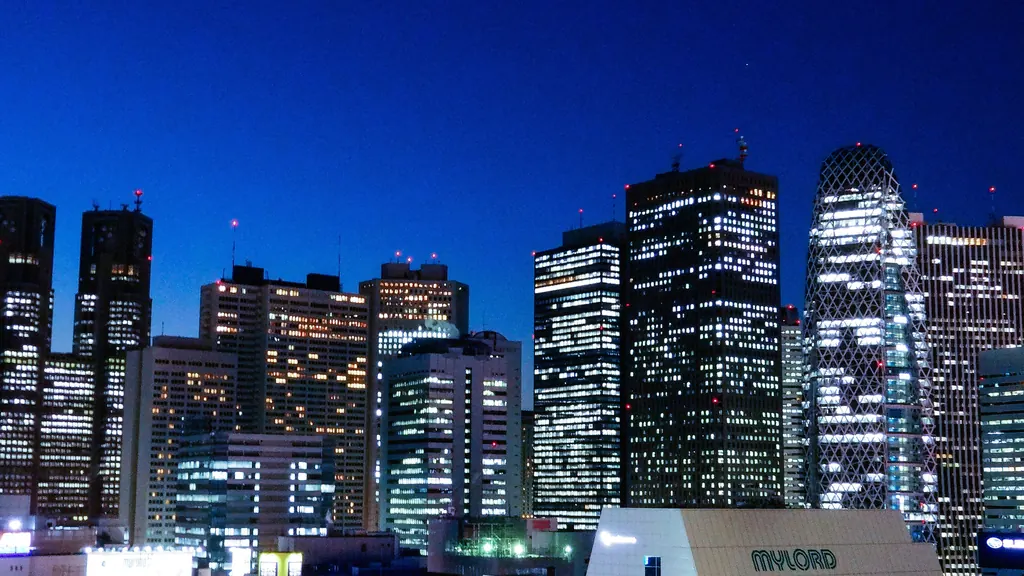
A vast, endlessly varied city best understood as a collection of neighborhoods: traditional Asakusa, upscale Ginza, the fashion streets of Omotesando, the energy of Shibuya and Shinjuku, and quiet residential corners in between.
Kyoto
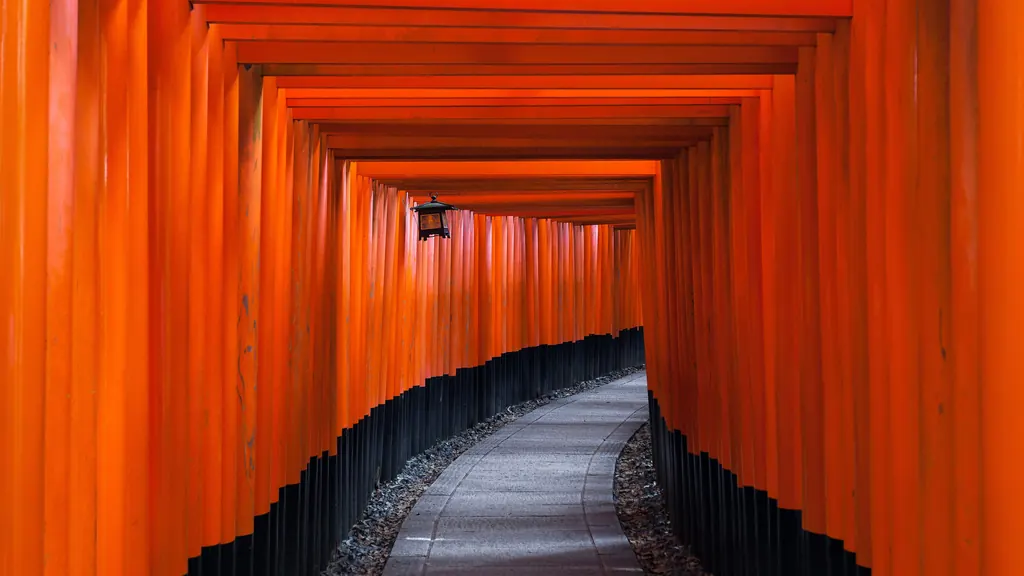
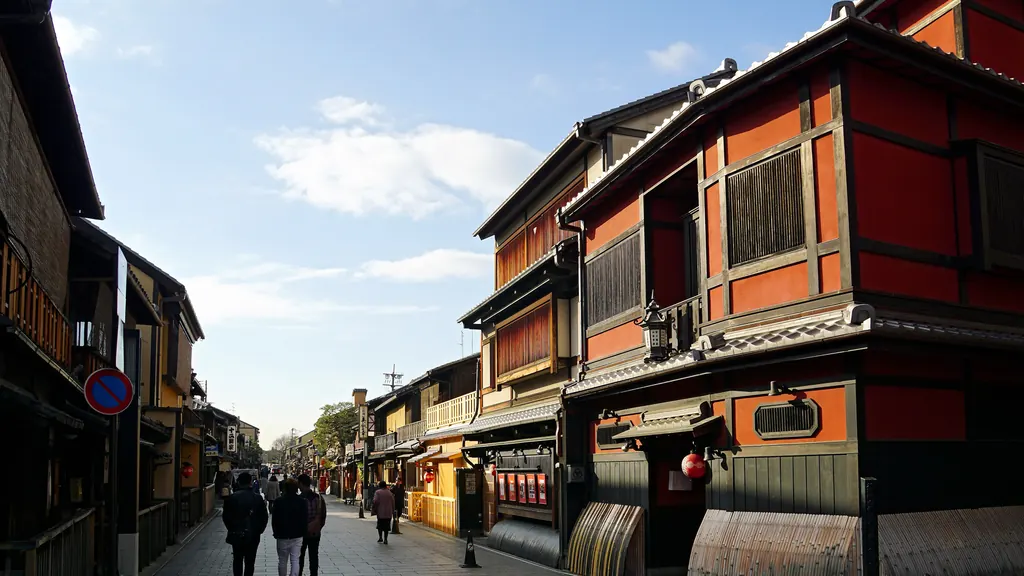
Japan's imperial capital for more than a thousand years, with around 1,600 temples and many shrines, gardens and historic districts such as Gion and Higashiyama. Popular sites are busy, so timing and route planning make a real difference.
Osaka
A lively, food-focused city known for street food in Dotonbori, a famously friendly character and easy day trips to Nara and its ancient temples.
Hakone
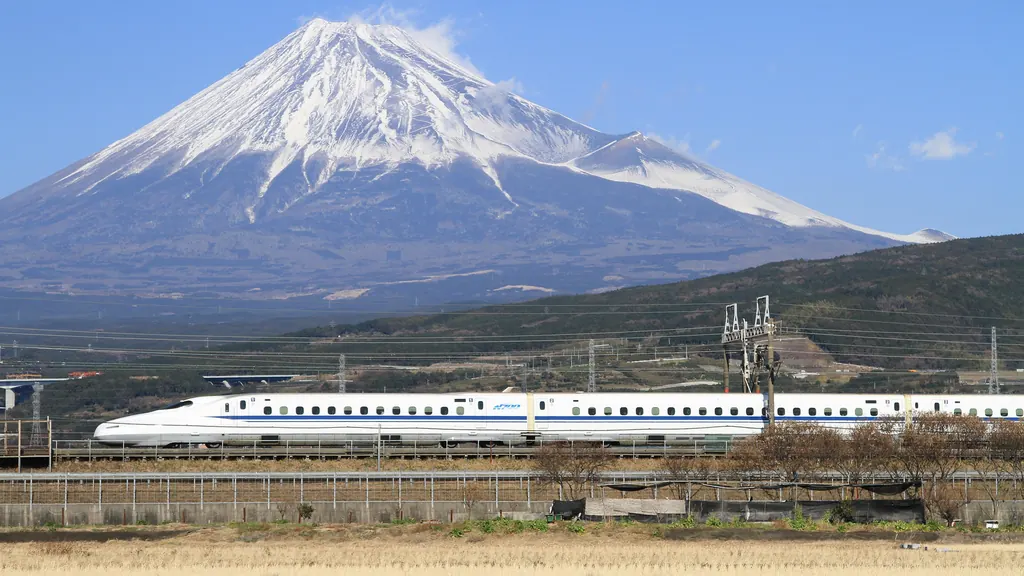
A hot-spring resort area in the mountains southwest of Tokyo, with ryokan, open-air art at the Hakone Open-Air Museum and, on clear days, views of Mount Fuji.
Hiroshima and Miyajima
The Peace Memorial Park and Museum are a moving, essential visit. Nearby Miyajima island is known for the "floating" torii gate of Itsukushima Shrine.
The Japanese Alps
Mountain landscapes in central Japan, including Takayama's preserved old town, the thatched farmhouses of Shirakawa-go, and the hot-spring villages and walking routes of the Kiso Valley and Kamikochi.
Hokkaido
Japan's northern island, known for powder snow and the Sapporo Snow Festival in winter, lavender fields and national parks in summer, and excellent seafood year-round.
Beyond the first trip
Kanazawa's gardens and craft traditions, the art islands of Naoshima, Kyushu's hot springs, and the subtropical islands of Okinawa.
Experiences to consider
A night in a ryokan
Tatami rooms, hot-spring baths and a seasonal multi-course dinner, in Hakone, the Japanese Alps or the Kyoto countryside.
Early mornings in Kyoto
Visiting major temples and shrines at opening time, before the crowds, and saving quieter districts for the afternoon.
Food with context
Guided food walks, market visits, tea ceremony and sake tasting, which explain as much about culture as cuisine.
The Shinkansen
High-speed trains that turn a cross-country journey into a few relaxed hours with a bento lunch.
Gardens and craft
Moss gardens, dry landscape gardens, and workshops in ceramics, indigo dyeing or lacquer.
Snow and onsen
Skiing in Niseko or Hakuba, or simply soaking in an outdoor bath while snow falls.
When to go
Japan spans a long range of latitudes, from snowy Hokkaido to subtropical Okinawa. Most first-time itineraries focus on Honshu, the main island, where the seasons are pronounced. See also our guide to how much time you need in Japan.
| Season | Months | What to expect |
|---|---|---|
| Spring | March to May | Cherry blossoms usually peak in Tokyo and Kyoto around late March to early April, varying each year. Very popular; book early. Golden Week (late April to early May) is a busy domestic holiday. |
| Early summer | June to mid-July | The rainy season (tsuyu) affects most of Japan except Hokkaido. Gardens are lush and crowds smaller. |
| Summer | Mid-July to August | Hot and humid in the cities; festivals and fireworks. Good time for Hokkaido and the mountains. Typhoons are possible, mainly from August to September. |
| Autumn | October to November | Comfortable temperatures and autumn foliage, typically peaking in Kyoto from mid-November to early December. Another very popular season. |
| Winter | December to February | Cool, dry and often clear in Tokyo and Kyoto, with fewer visitors. Snow in Hokkaido and the Alps. Many businesses close over New Year. |
How long to stay
For a first visit, 12 to 16 days works well: enough for Tokyo, Hakone or the Alps, Kyoto and either Osaka or Hiroshima without constant packing. With 10 days, we suggest Tokyo and Kyoto with one short side trip. Our article on how much time you need in Japan sets out sample splits for different trip lengths, and Tokyo vs Kyoto explains how to divide your time between the two.
A sample journey
Our 14-day Japan journey moves from Tokyo to Hakone, then on to Kyoto and Osaka, with a day trip to Hiroshima and Miyajima. For a broader trip, our 18-day Japan and South Korea journey combines both countries.
Practical considerations
- Entry requirements. US passport holders have generally been able to visit Japan visa-free for short tourist stays; check the Ministry of Foreign Affairs of Japan for current rules. The Immigration Services Agency of Japan aims to introduce an electronic pre-travel authorization (JESTA) for visa-exempt visitors in fiscal year 2028 (April 2028 to March 2029). No start date has been announced.
- Rail travel. The Japan Rail Pass can still be useful for some routes, but after price increases, individual tickets are often better value. We assess this itinerary by itinerary.
- Luggage forwarding. Sending suitcases ahead between hotels (takkyubin) makes train travel much easier and is widely used.
- Payments. Cards are widely accepted in cities, but carry some cash for smaller restaurants, shrines and rural areas. Rechargeable IC transit cards are convenient for trains and convenience stores.
- Etiquette. Quiet on trains, no tipping, removing shoes in homes, ryokan and some restaurants, and onsen bathing etiquette are worth understanding in advance.
- Peak periods. Cherry blossom season, Golden Week, Obon in mid-August and New Year see heavy demand and higher prices.
Entry rules, Japan Rail Pass pricing and seasonal forecasts change. Check the Ministry of Foreign Affairs of Japan, and the Japan National Tourism Organization before travel, and follow the published cherry blossom and autumn foliage forecasts closer to your dates.
Who Japan suits
Japan suits food lovers, culture and design enthusiasts, garden lovers, families of all ages and first-time visitors to Asia who value ease and reliability. Travelers who want long beach stays may prefer to pair Japan with somewhere warmer, and anyone who dislikes crowds should plan peak seasons carefully.
Pairing Japan with other destinations
South Korea is a short flight away and makes a rewarding contrast. Japan can also be a stopover on the way to New Zealand or Australia, or paired with Vietnam for culture and coast in one journey.
Sources and further reading
Guide last reviewed November 5, 2026. General destination information only; conditions, entry rules and schedules change, so we confirm current details when planning your trip.