Thailand · Planning guide
Thailand for First-Time Visitors: Where Should You Go?
Where to go on a first trip to Thailand: Bangkok, Chiang Mai and the north, and how to choose between Phuket, Krabi and Koh Samui by season and travel style.
The short answer
Most first-time visitors to Thailand are best served by combining Bangkok, northern Thailand around Chiang Mai (adding Chiang Rai if time allows), and one beach region chosen by season: the Andaman coast (Phuket or Krabi) from about November to April, or Koh Samui on the Gulf coast from about January to August. Two weeks covers all three comfortably.
The classic three-part trip
A first visit to Thailand typically has three chapters, each with a different pace:
- Bangkok for temples, river life, markets and food: energetic and fascinating.
- The north (Chiang Mai, and perhaps Chiang Rai) for culture, crafts, mountains and a gentler rhythm.
- The coast for genuine rest on a beach or island.
This sequence works because it moves from busy to calm. It also uses Thailand's excellent domestic flights efficiently, since Bangkok connects with every region.
Bangkok: how long and what to do
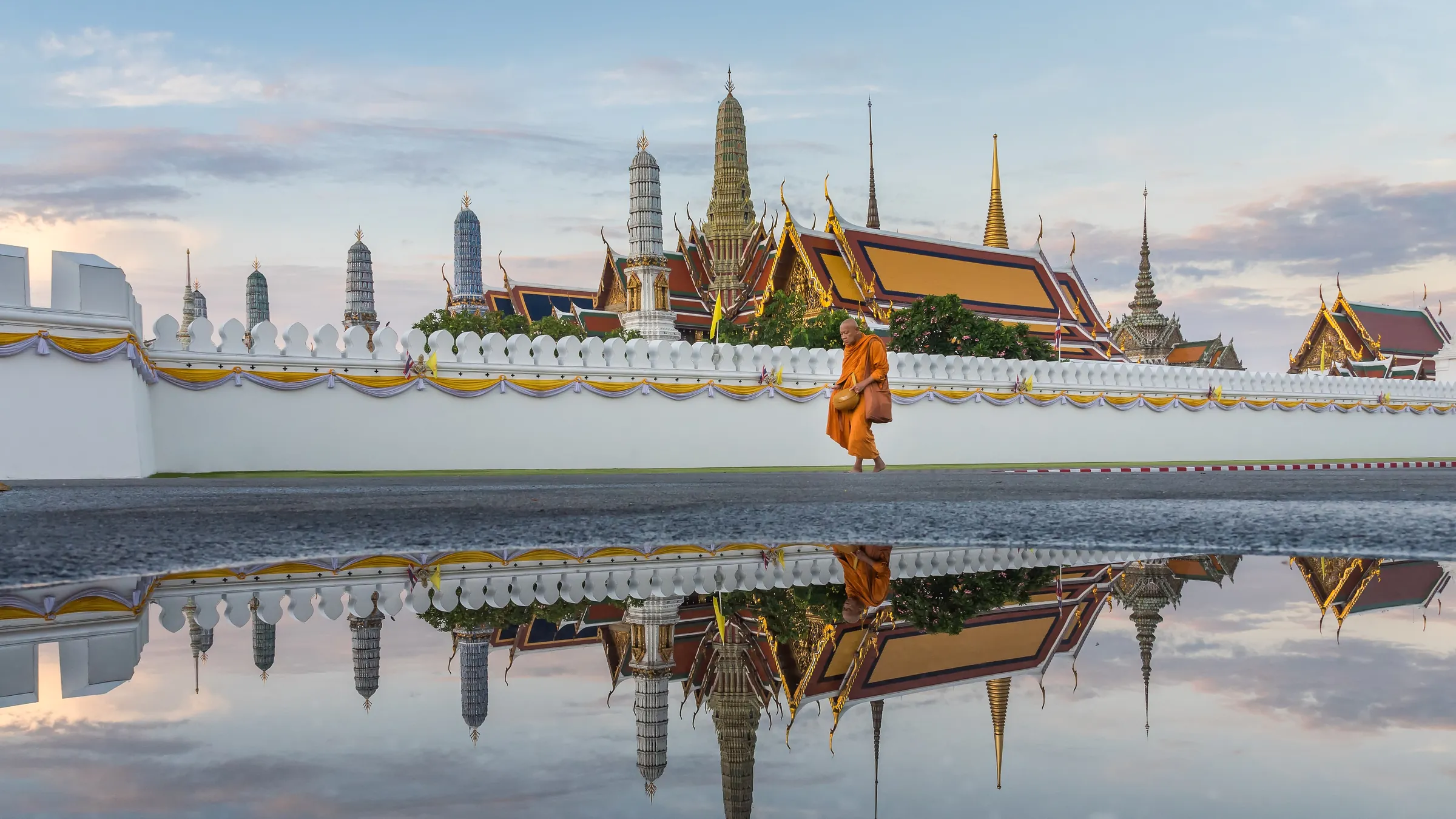
Three nights is ideal for a first visit. Spend time at the Grand Palace and Wat Pho, cross the river to Wat Arun, explore the canals of Thonburi by longtail boat, and eat your way through Chinatown. Staying near the Chao Phraya River puts many historic sights within reach by boat. Many travelers also enjoy a day trip to Ayutthaya, the former royal capital and a UNESCO World Heritage Site.
The north: Chiang Mai and Chiang Rai
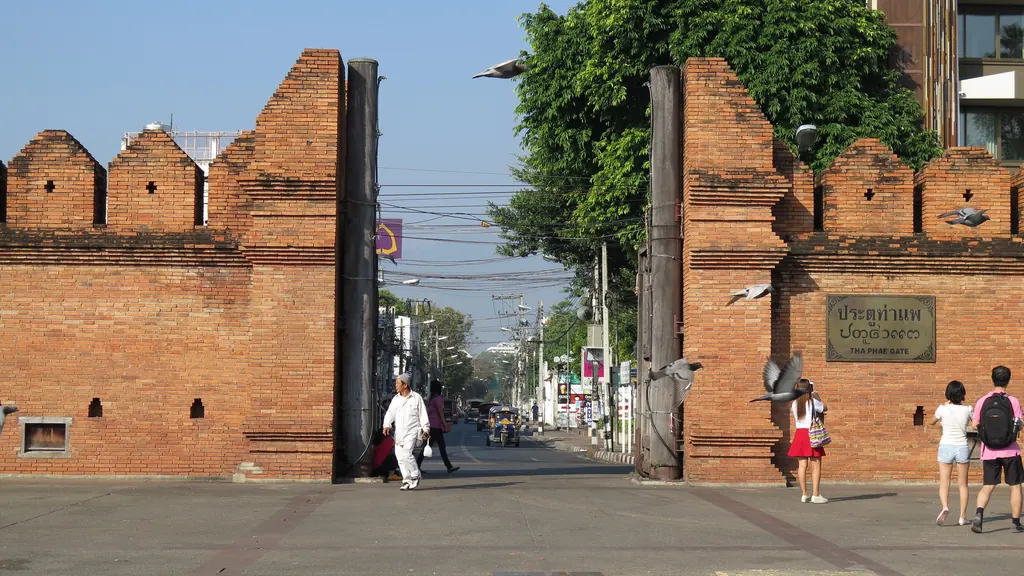
Chiang Mai, a short flight from Bangkok, is northern Thailand's cultural center. Its walled old city holds dozens of temples, and the surrounding hills offer craft villages, cooking schools, hiking and the mountain temple of Doi Suthep. Three or four nights works well.
Chiang Rai, a few hours' drive further north, adds the striking White Temple (Wat Rong Khun), the Blue Temple, and the Golden Triangle where Thailand, Laos and Myanmar meet. Two nights is enough, or it can be visited on a long day trip from Chiang Mai, though staying is more relaxed.
Choosing your beach
Thailand's two coasts have different weather patterns, which is the most important factor in choosing.
| Phuket | Krabi | Koh Samui | Khao Sok (inland) | |
|---|---|---|---|---|
| Coast | Andaman Sea | Andaman Sea | Gulf of Thailand | Between the coasts |
| Best weather | About November to April | About November to April | About January to August | November to April is driest |
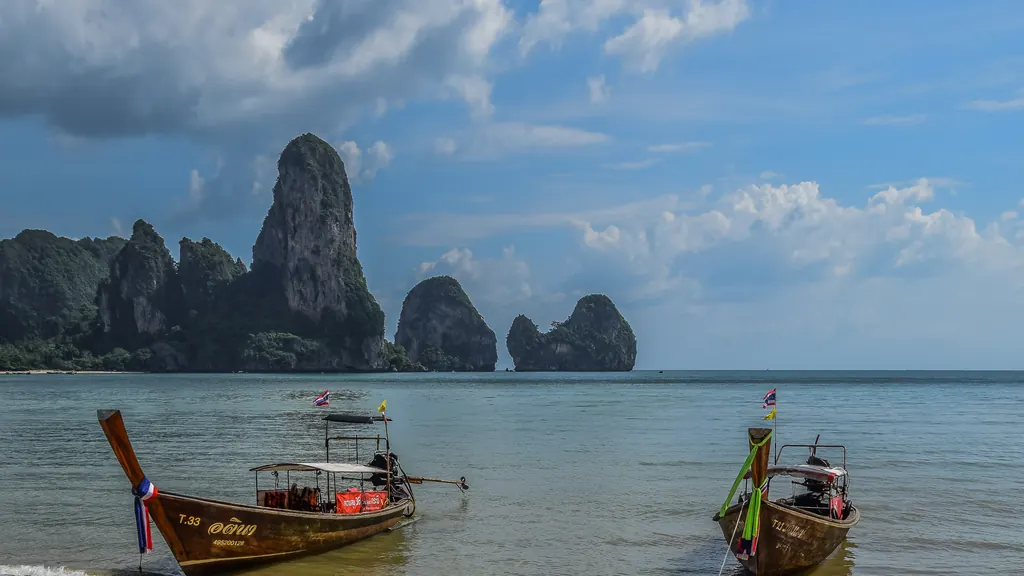
| Character | Thailand's largest island; wide choice of resorts, beaches and dining | Dramatic limestone cliffs and islands; Railay and the Phi Phi islands | Relaxed island with resorts and quieter beaches | Rainforest, lake and floating lodges |
| Good for | Families, variety, ease of access | Scenery, island-hopping, couples | Honeymoons, villas, summer travel | Nature lovers; pairs with either coast |
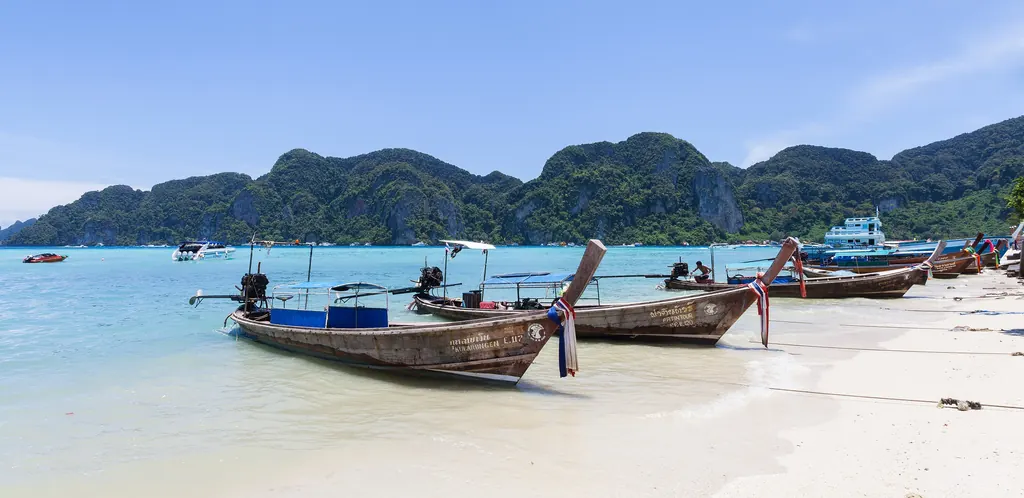
Our view: for travel between November and April, Phuket or Krabi are generally the better choice. From May to August, Koh Samui and its neighboring islands usually offer more reliable weather. Avoid Koh Samui from about October to December, its wettest period.
When to go
Thailand's cool, dry season, roughly November to February, is the most comfortable time for Bangkok and the north. March to May is very hot, and air quality in the north can be poor in March and April from agricultural burning. The rainy season, roughly June to October, brings showers rather than constant rain in most places, and lower prices, but rough seas on the Andaman coast. Festivals worth planning around include Songkran in mid-April and Loy Krathong, with Chiang Mai's Yi Peng lantern festival, usually in November.
Getting around
- Domestic flights link Bangkok with Chiang Mai, Chiang Rai, Phuket, Krabi and Koh Samui, often with connections through Bangkok between regions.
- Private transfers are recommended between airports, hotels and piers.
- In Bangkok, river boats and the BTS Skytrain or MRT subway avoid the worst traffic.
Etiquette and responsible travel
- Dress modestly at temples, covering shoulders and knees, and remove shoes where indicated.
- Show respect toward images of the Buddha and the Thai royal family.
- Choose ethical animal experiences: observation-based elephant sanctuaries with no riding or performances.
- On the islands, use reef-safe practices and follow national park rules.
Common first-trip mistakes
- Choosing an island without checking its season.
- Too many islands. Island-hopping looks easy, but each move uses most of a day. One or two beach bases are usually better.
- Too little time in the north. Chiang Mai is many travelers' favorite part of Thailand.
- Skipping rest. The beach finish is part of what makes a Thailand trip restorative; protect it.
For a complete route, see our 14-day Thailand journey and our comparison of Bangkok, Chiang Mai and Phuket, or browse the Thailand destination guide.
Frequently asked questions
How many days do you need in Thailand?
Twelve to sixteen days lets you combine Bangkok, the north and a beach without rushing. With a week, choose Bangkok and one beach.
Is Phuket or Krabi better for a first visit?
Phuket offers more choice and easier access; Krabi has more dramatic scenery and a quieter feel. Both share the same season.
Is Thailand good for families?
Yes. Thailand is one of Asia's most family-friendly destinations, with many resorts designed for children and a welcoming culture.
Is it worth visiting Thailand in the rainy season?
It can be, with careful choice of region. The Gulf islands are often good in summer, and showers elsewhere tend to be brief.