Japan · Comparison
Tokyo vs Kyoto: Understanding the Differences
How Tokyo and Kyoto differ in character, sights, food, stays and crowds, and how to divide your time between Japan's two essential cities on a first trip.
The short answer
Tokyo and Kyoto complement each other rather than compete. Tokyo is a vast, modern metropolis of distinct neighborhoods, food and contemporary culture; Kyoto is the historic heart of traditional Japan, with temples, gardens and craft. Most first-time visitors should see both, with at least three nights in each, and often slightly more time in Kyoto than they first expect.
At a glance
| Tokyo | Kyoto | |
|---|---|---|
| Character | Enormous, modern, fast-moving; a city of neighborhoods | Compact, historic, traditional; a former imperial capital |
| Best for | Food, design, shopping, nightlife, museums, contemporary culture | Temples and shrines, gardens, traditional crafts, tea culture |
| Pace | Energetic, but with calm pockets | Slower, especially in the early morning and evening |
| Getting around | Excellent subway and rail network | Buses, subway, taxis and walking; very walkable districts |
| Stays | Contemporary luxury hotels, design hotels | Ryokan, machiya townhouses, boutique hotels and luxury hotels |
| Crowds | Spread across a huge city | Concentrated at the most famous sights |
Character and atmosphere
Tokyo is less a single city than a collection of very different neighborhoods. Asakusa has the atmosphere of old Edo, with Senso-ji temple and traditional shops. Ginza is polished and upscale. Omotesando showcases contemporary architecture and fashion. Shibuya and Shinjuku are the busy, neon-lit hubs most people picture. Yet Tokyo also has quiet shrines, residential lanes and large gardens, and is famously orderly despite its size.
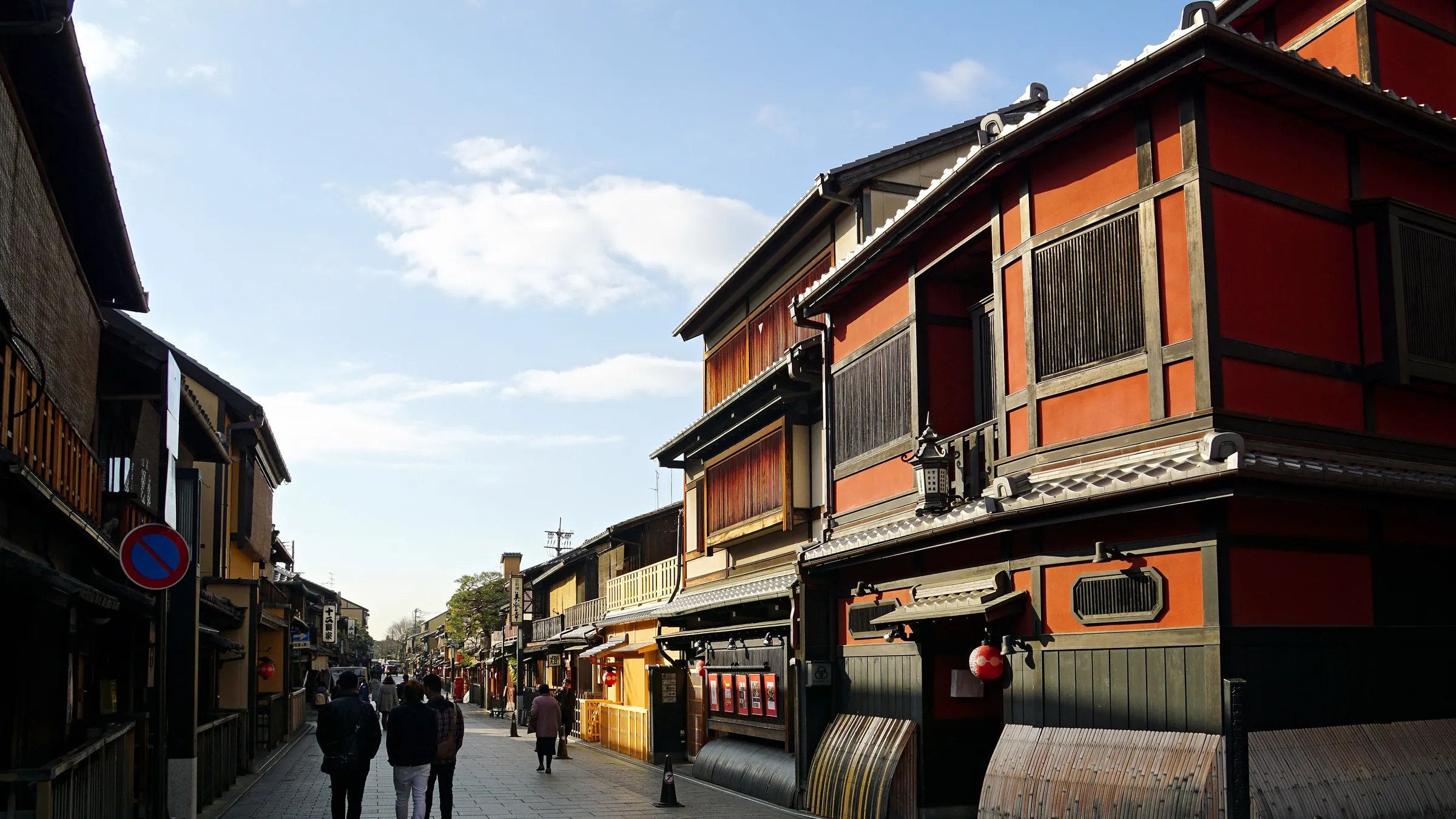
Kyoto served as Japan's imperial capital for more than a thousand years, and much of its traditional architecture survived the 20th century. The city is home to a remarkable concentration of temples, shrines and gardens; 17 sites in and around Kyoto are inscribed together as a UNESCO World Heritage Site. Historic districts such as Gion and Higashiyama preserve wooden townhouses and teahouses, and the city remains a center of traditional crafts and arts.
Sights and experiences
In Tokyo: Meiji Jingu shrine, Senso-ji, the Imperial Palace East Gardens, museums in Ueno, teamLab's digital art, food markets, department-store food halls, day trips to Nikko or Kamakura, and views from observation decks.
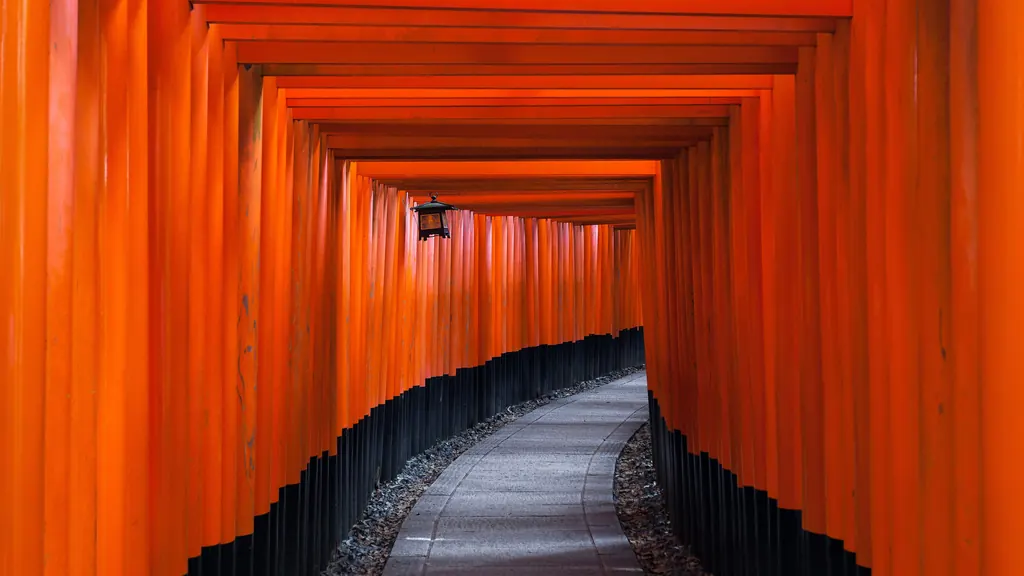
In Kyoto: Fushimi Inari's torii-lined paths, Kiyomizu-dera, the Arashiyama bamboo grove and Tenryu-ji, Kinkaku-ji (the Golden Pavilion), the rock garden of Ryoan-ji, Nijo Castle, the Philosopher's Path, tea ceremony and craft workshops, and an easy day trip to Nara.
Food
Both are outstanding, in different ways. Tokyo is considered one of the world's great dining cities, with an extraordinary range, from tiny counters serving a single dish to celebrated sushi and international fine dining. Kyoto is known for kaiseki, the refined multi-course cuisine shaped by the seasons, along with tofu, yuba, Kyoto vegetables and the tea traditions of nearby Uji. Nishiki Market is a good introduction.
Where to stay
A night in a traditional inn is easier to arrange in Kyoto, where ryokan and restored machiya townhouses offer an atmospheric alternative to hotels. Tokyo excels at contemporary luxury and design hotels with views across the city. Location matters more in Kyoto, where staying near the historic districts makes early-morning sightseeing much easier.
Crowds and how to plan around them
Kyoto's most famous sites can be very crowded, especially in cherry blossom and autumn foliage seasons. The solution is timing rather than avoidance:
- Visit Fushimi Inari, Kiyomizu-dera and Arashiyama at or before opening.
- Spend the middle of the day at quieter temples, museums or in less-visited districts.
- Enjoy Gion and Higashiyama in the evening, after day visitors leave, while respecting local guidance on private lanes and photography.
Tokyo's scale spreads visitors out, though popular spots such as Shibuya Crossing and Senso-ji are busy. Early mornings and weekdays help.
Getting between them
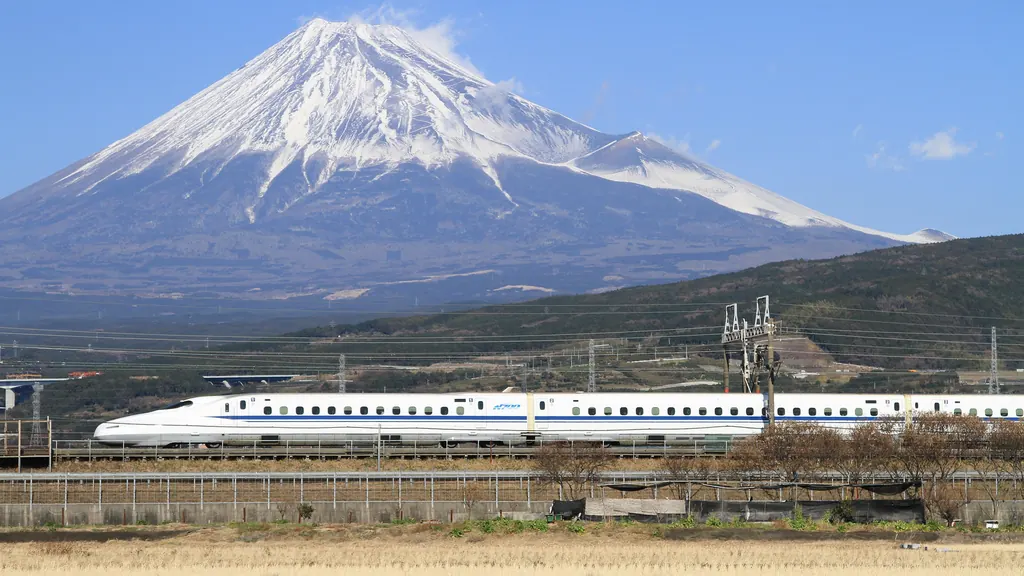
Tokyo and Kyoto are connected by the Tokaido Shinkansen, with the fastest trains taking a little over two hours. Many itineraries break the journey with a night in Hakone, or forward luggage so you can travel light. Check current timetables with JR Central.
How to divide your time
| Total trip | Tokyo | Kyoto |
|---|---|---|
| 7 days | 3 nights | 3 to 4 nights |
| 10 days | 3 to 4 nights | 4 nights (plus Hakone or Osaka) |
| 14 days | 4 nights | 4 to 5 nights (plus other stops) |
If you love food, design and city life, lean toward Tokyo. If temples, gardens and traditional culture are your priority, give Kyoto the extra night. If you are unsure, an even split works well.
If you can only visit one
On a very short trip, choose based on what you want to remember. Kyoto offers the more distinctly traditional experience and is easier to absorb in a few days. Tokyo offers more variety and is often more convenient for international flights. For most first-time visitors, though, seeing both is the point: the contrast is a large part of understanding Japan.
For a full route that includes both, see our 14-day Japan journey, or read how much time you need in Japan and our Japan destination guide.
Frequently asked questions
Is Kyoto worth it if I only have a week in Japan?
Yes. Even with a week, three or four nights in Kyoto gives a meaningful introduction to traditional Japan.
Can you do Kyoto as a day trip from Tokyo?
It is technically possible by Shinkansen, but not recommended. Kyoto rewards early mornings and evenings, which a day trip misses.
Which is better for families?
Both work well. Tokyo has more museums and attractions aimed at children; Kyoto's temples are more enjoyable with a guide who can bring the history to life.
Should I stay in a ryokan in Kyoto or elsewhere?
Both are good choices. Kyoto has city ryokan; a hot-spring ryokan in Hakone or the mountains offers the classic onsen experience.