Vietnam · When to go
When Is the Best Time to Visit Vietnam?
Vietnam has three distinct climates. Learn the best time to visit Hanoi, Ha Long Bay, Hoi An, Ho Chi Minh City and the Mekong, and the best months for a full trip.
The short answer
The best overall time for a north-to-south trip through Vietnam is February to April, when the weather is generally favorable in all three regions. For the north alone, October to December and March to April are excellent; for the central coast, February to August; and for the south, December to April.
Why timing in Vietnam is complicated
Vietnam stretches more than 1,000 miles from north to south, and mountain ranges divide its coastline into distinct weather zones. As a result, it is almost always a good time to visit somewhere in Vietnam, but rarely a perfect time everywhere at once. Understanding the three broad climates is the key to planning.
Vietnam's three climates
The north: Hanoi, Ha Long Bay, Ninh Binh and Sapa
Northern Vietnam has four seasons in a broad sense. Winter, roughly December to February, is cool and often gray in Hanoi, with drizzle and occasional fog over Ha Long Bay, and it can be cold in the mountains around Sapa. Summer, roughly May to September, is hot and humid, with heavy showers. Spring (March and April) and autumn (October and November) are generally the most pleasant months.
The center: Hue, Hoi An and Da Nang
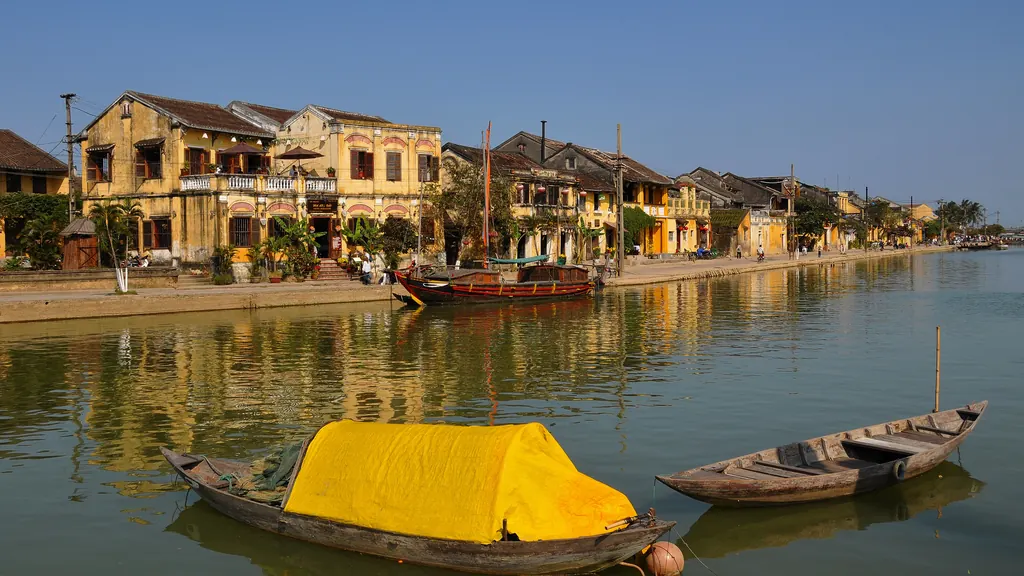
The central coast follows a different pattern. It is generally driest and sunniest from about February to August, which is excellent for beaches. The main rainy season runs from about September to December, with October and November bringing the highest risk of heavy rain, flooding (Hoi An's old town floods in some years) and typhoons.
The south: Ho Chi Minh City and the Mekong Delta
The south is tropical and warm year-round. The dry season runs from about December to April, with March and April the hottest months. The wet season, roughly May to November, typically brings short, heavy afternoon downpours rather than all-day rain, so travel is still very possible.
Month by month
| Months | North | Central | South | Overall |
|---|---|---|---|---|
| January | Cool, gray | Rain easing | Dry, pleasant | Good, except north can be dull; watch for Tet |
| February | Cool, warming | Drier | Dry | Very good; Tet often falls in this period |
| March | Pleasant | Dry and warm | Dry and hot | Excellent |
| April | Warm | Dry and warm | Hot | Excellent |
| May | Hot, showers begin | Hot, dry | Rains begin | Good for center |
| June to August | Hot, humid, wet | Hot, mostly dry | Wet season | Best for central beaches |
| September | Showers easing | Rains begin | Wet | Mixed |
| October | Pleasant | Rainy, flood risk | Wet, easing | Good for north |
| November | Pleasant, cooling | Wettest, flood risk | Rains easing | Good for north and south |
| December | Cool | Rain continues | Dry season begins | Good for south |
These are generalizations: weather varies from year to year, and climate patterns are shifting. We check longer-range forecasts and conditions when planning each trip.
Tet: Lunar New Year
Tet, the Lunar New Year, falls in late January or February and is Vietnam's most important holiday. It is a fascinating time to see family traditions, flower markets and decorations. However, many shops and restaurants close for several days, domestic flights and trains are very busy, and prices rise. If you travel over Tet, we plan around closures and book transport early.
The best time for specific experiences
- Ha Long Bay and Lan Ha Bay cruises: generally best from about March to May and September to November. Winter can bring fog; summer brings heat and occasional storm cancellations.
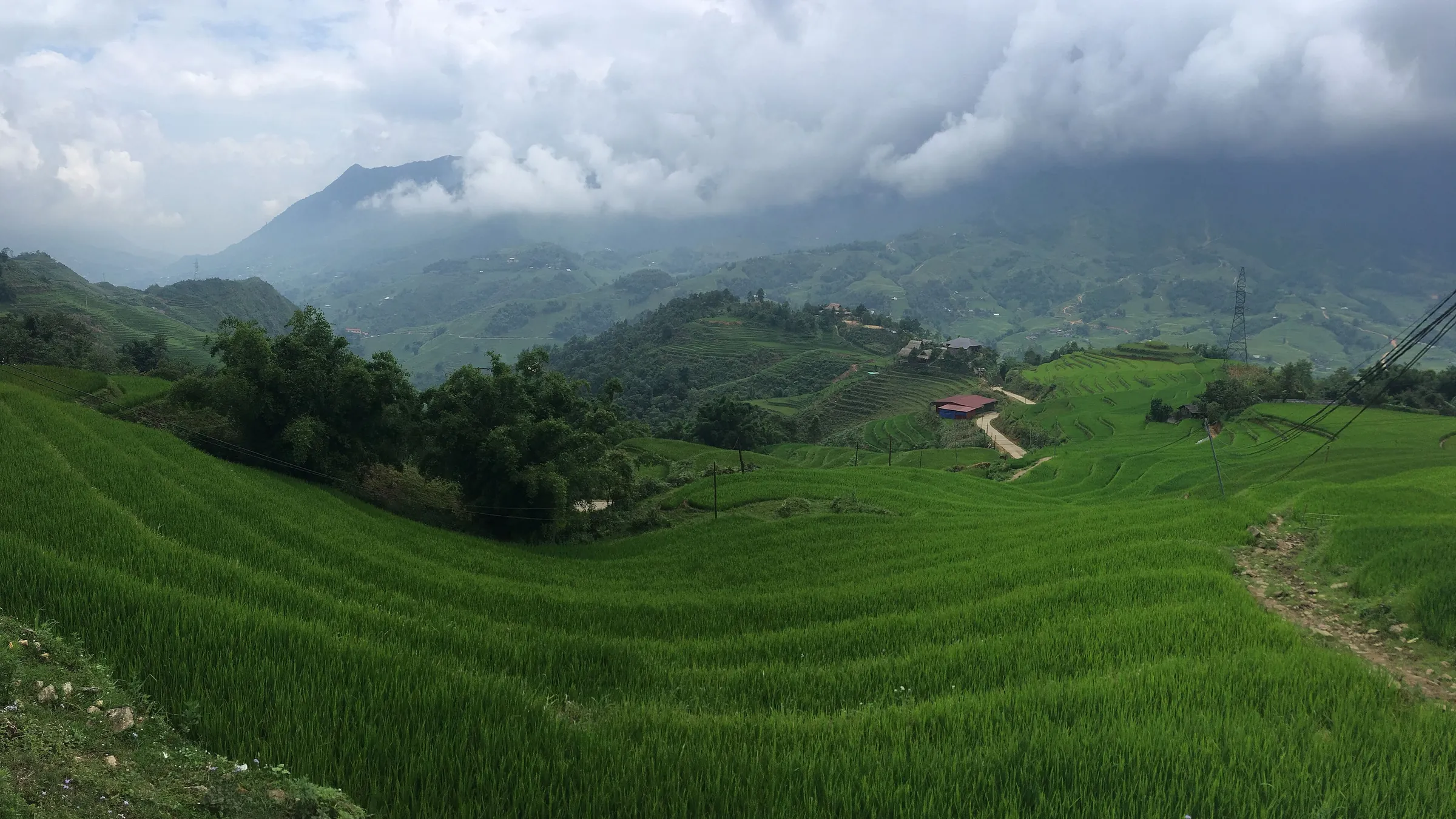
- Sapa and the northern mountains: rice terraces are green in early summer and golden around harvest in September and October. Winters can be cold.
- Hoi An and the central beaches: February to August.
- Mekong Delta: the dry season (December to April) is easiest, though the delta is lush and atmospheric in the wet season.
Our advice
For a classic two-week journey covering all three regions, February to April is the most reliable window. Outside it, we adjust the route: in October and November, for example, we may focus on the north and the south and keep central Vietnam short or flexible. Between June and August, central Vietnam's beaches shine, and the north and south remain very visitable with flexible planning.
See our 14-day Vietnam journey, our guide to Vietnam's regions, and the Vietnam destination guide.
Frequently asked questions
What is the rainy season in Vietnam?
It depends on the region: roughly May to September in the north, September to December on the central coast, and May to November in the south.
Is it worth visiting Vietnam during the rainy season?
Often, yes. Rain in the south and north usually comes in short bursts, and prices and crowds can be lower. The exception is the central coast in October and November, when flooding and typhoons can disrupt travel.
When is typhoon season in Vietnam?
Typhoons are most likely between about August and November, with the central coast most affected.
Is Vietnam cold in winter?
Hanoi and the north can feel cool and damp from December to February, and the mountains can be cold. The south stays warm.