Vietnam · Comparison
Northern vs Central vs Southern Vietnam: Where Should You Go?
How Vietnam's north, center and south differ in landscapes, history, food and weather, and how to plan a two-week Vietnam itinerary that includes the right regions.
The short answer
Northern Vietnam is best for dramatic landscapes and Hanoi's history and street life; central Vietnam combines imperial Hue, Hoi An's old town and beaches; southern Vietnam offers the energy of Ho Chi Minh City and the river life of the Mekong Delta. With two weeks you can see all three; with less time, choose two, and let the season guide you.
The three regions at a glance
| North | Central | South | |
|---|---|---|---|
| Key places | Hanoi, Ha Long Bay, Ninh Binh, Sapa | Hue, Hoi An, Da Nang | Ho Chi Minh City, Mekong Delta, Phu Quoc |
| Landscapes | Limestone karsts, bays, mountains and rice terraces | Coastline, beaches, mountain passes | River delta, canals and orchards |
| History | Capital since 1010 (as Thang Long), Old Quarter, Temple of Literature | Nguyen dynasty capital at Hue; trading port of Hoi An | French colonial landmarks; 20th-century history |
| Food | Pho, bun cha, egg coffee | Imperial Hue cuisine, cao lau, mi Quang | Abundant herbs, seafood, southern-style dishes |
| Pace | Busy capital, peaceful countryside | Relaxed, especially Hoi An | Energetic city, slow delta |
| Best weather | October to December, March to April | February to August | December to April |
Northern Vietnam
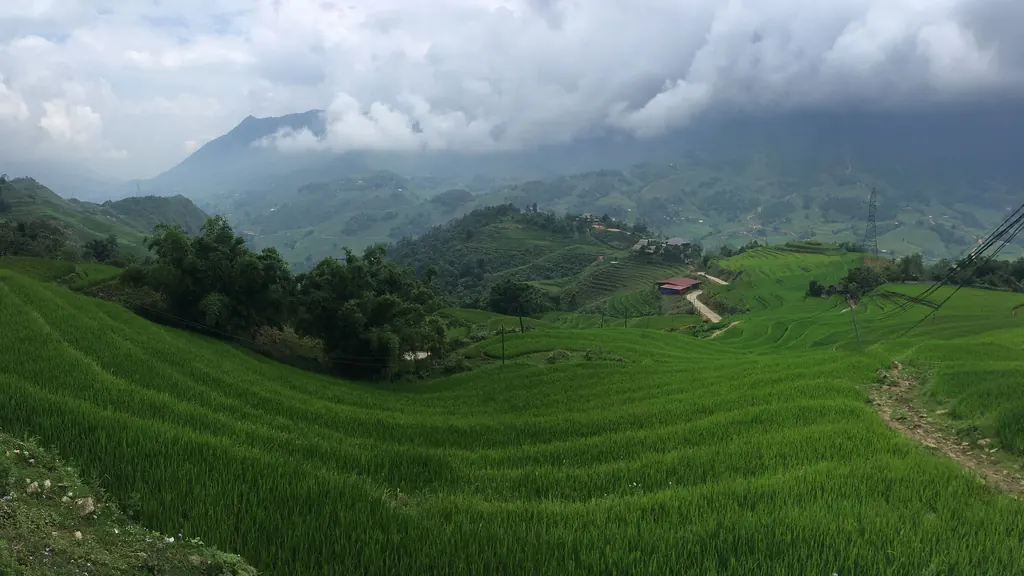
The north is where many of Vietnam's most famous landscapes are found: the limestone islands of Ha Long Bay and quieter Lan Ha Bay, the karst scenery and river caves of Ninh Binh, and the rice terraces and ethnic minority villages around Sapa and Ha Giang. Hanoi, the capital, is a city of lakes, temples, French-era architecture and an Old Quarter where daily life spills onto the streets.
Choose the north if: you want dramatic scenery, history and culture, and some of Vietnam's best street food, and you are traveling in spring or autumn.
Central Vietnam
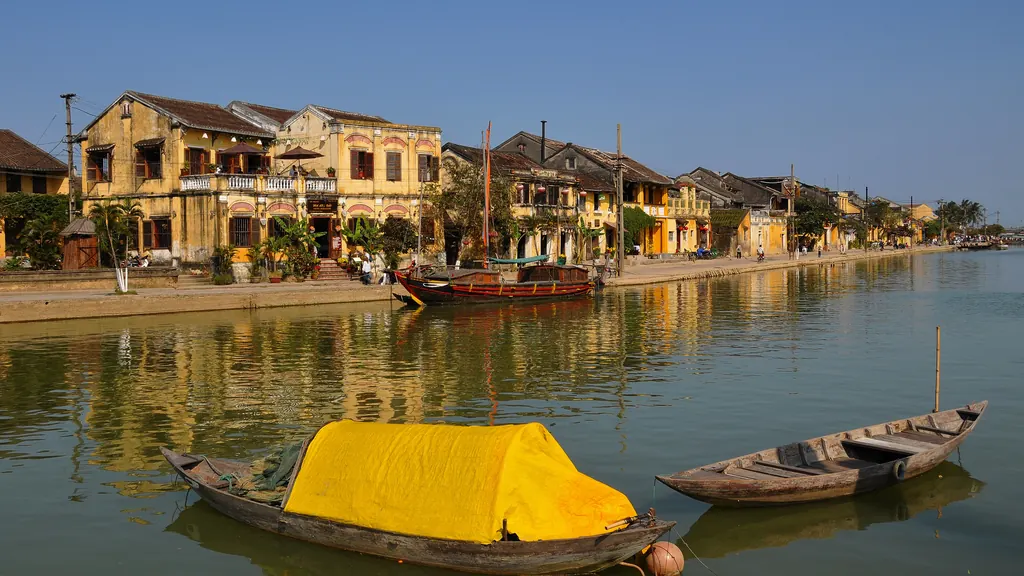
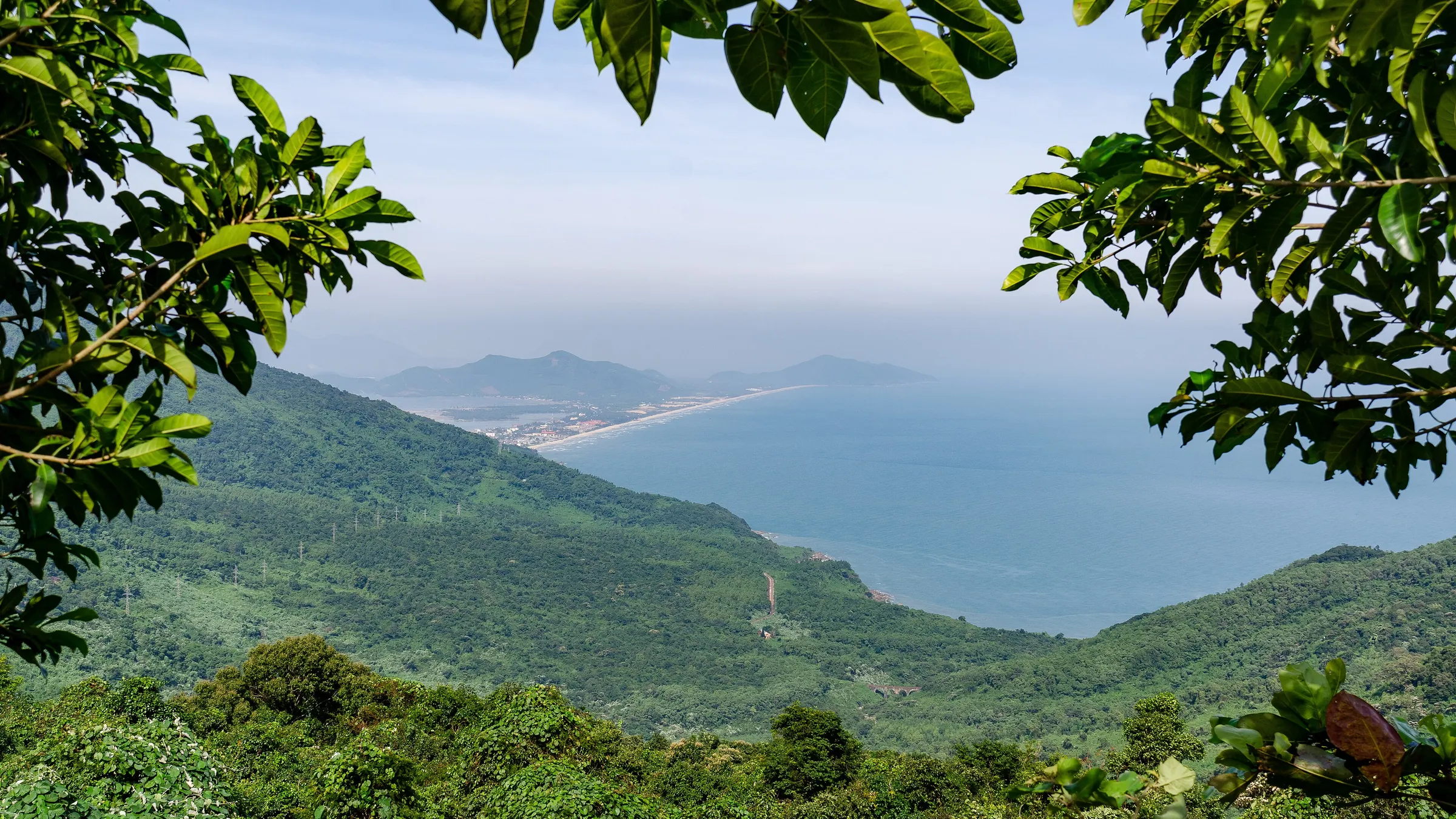
Central Vietnam combines history with the coast. Hue, the Nguyen dynasty's imperial capital, has a vast citadel and royal tombs along the Perfume River. Hoi An, a former trading port, is one of Southeast Asia's best-preserved historic towns, with lantern-lit streets, tailors and nearby countryside. Da Nang offers modern hotels and long beaches, and the Hai Van Pass between Hue and Hoi An is one of the country's most scenic drives.
Choose the center if: you want a balance of culture, beach time and a slower pace, especially from February to August.
Southern Vietnam
Ho Chi Minh City, still widely known as Saigon, is Vietnam's largest and most dynamic city, with a thriving food and cafe scene, French colonial landmarks and important museums. A short journey away, the Mekong Delta is a landscape of rivers, canals, orchards and markets. Further afield, Phu Quoc and Con Dao islands offer beach stays.
Choose the south if: you enjoy energetic cities, food, recent history and river landscapes, or are traveling between December and April.
How to choose by trip length
- One week: pick two neighboring regions. Hanoi with Ha Long Bay or Ninh Binh, plus Hoi An, is the most popular combination.
- 10 days: north and center comfortably, or center and south.
- Two weeks: all three regions, traveling north to south or south to north with two domestic flights.
- Three weeks: all three regions plus the northern mountains, a beach island or a side trip to Cambodia.
How to plan a two-week Vietnam itinerary
A balanced two-week plan looks like this:
- Hanoi (3 nights): history, food and the Old Quarter.
- Ninh Binh (1 night): karst landscapes by rowing boat.
- Ha Long Bay or Lan Ha Bay (1 night): an overnight cruise.
- Hue (2 nights): the Imperial City and royal tombs.
- Hoi An (4 nights): old town, countryside, beach and free time, reached via the Hai Van Pass.
- Ho Chi Minh City (2 nights): the city and a day in the Mekong Delta.
This is the outline of our 14-day Vietnam journey. It works best from February to April. In other months, we adjust the balance: more time in the north in October and November, or more beach time in the center in summer.
Planning tips
- Travel in one direction. Fly into Hanoi and out of Ho Chi Minh City, or the reverse, to avoid backtracking.
- Use domestic flights for the long north–center and center–south legs.
- Watch the central coast's rainy season. October and November carry the highest flood and typhoon risk.
- Mind Tet. Lunar New Year, in late January or February, brings closures and busy transport.
- Check visa requirements and apply only through the official e-visa portal.
Frequently asked questions
Is northern or southern Vietnam better?
Neither is better; they are different. The north is stronger for dramatic landscapes and history; the south for city energy and river life. Central Vietnam is many travelers' favorite region.
Can you skip central Vietnam?
You can, but Hoi An and Hue are highlights for most visitors. If you must cut a region, it depends on your season and interests.
What is the best direction to travel through Vietnam?
Either works. We usually choose the direction that follows the best weather for your dates and the most convenient international flights.
How many days do you need in Hoi An?
Three to four nights allow time for the old town, the countryside, the beach and a cooking class without rushing.