South Korea · Planning guide
How to Plan a First Trip to South Korea
A practical guide to a first South Korea trip: how long to stay, where to go beyond Seoul, a sample 10-day route, getting around by KTX, and essential tips.
The short answer
Plan a first trip to South Korea around four or five nights in Seoul, then add Gyeongju and Busan by KTX high-speed train. Nine to twelve days is ideal, with Jeju Island an option if you have more time. Travel in spring or autumn if you can, check K-ETA entry requirements, and download local map apps before you go.
How long to stay
- One week: Seoul (4 nights) plus Busan or Gyeongju (3 nights).
- 9 to 12 days: Seoul, Gyeongju and Busan, the classic first trip.
- Two weeks: add Jeju Island, a temple stay, or Andong's traditional villages.
South Korea is compact and well connected, so it also works well as part of a longer journey with Japan.
Where to go
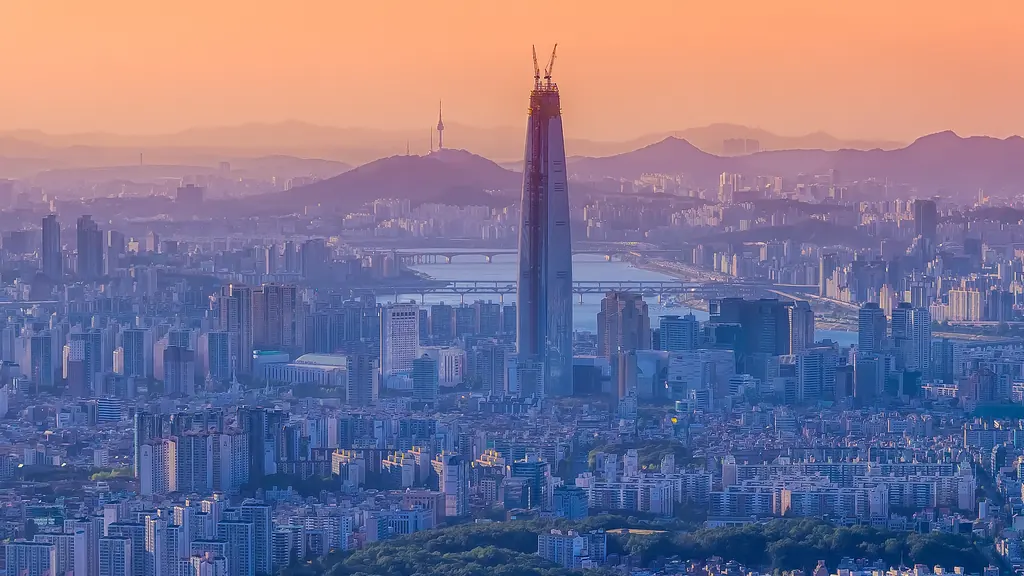
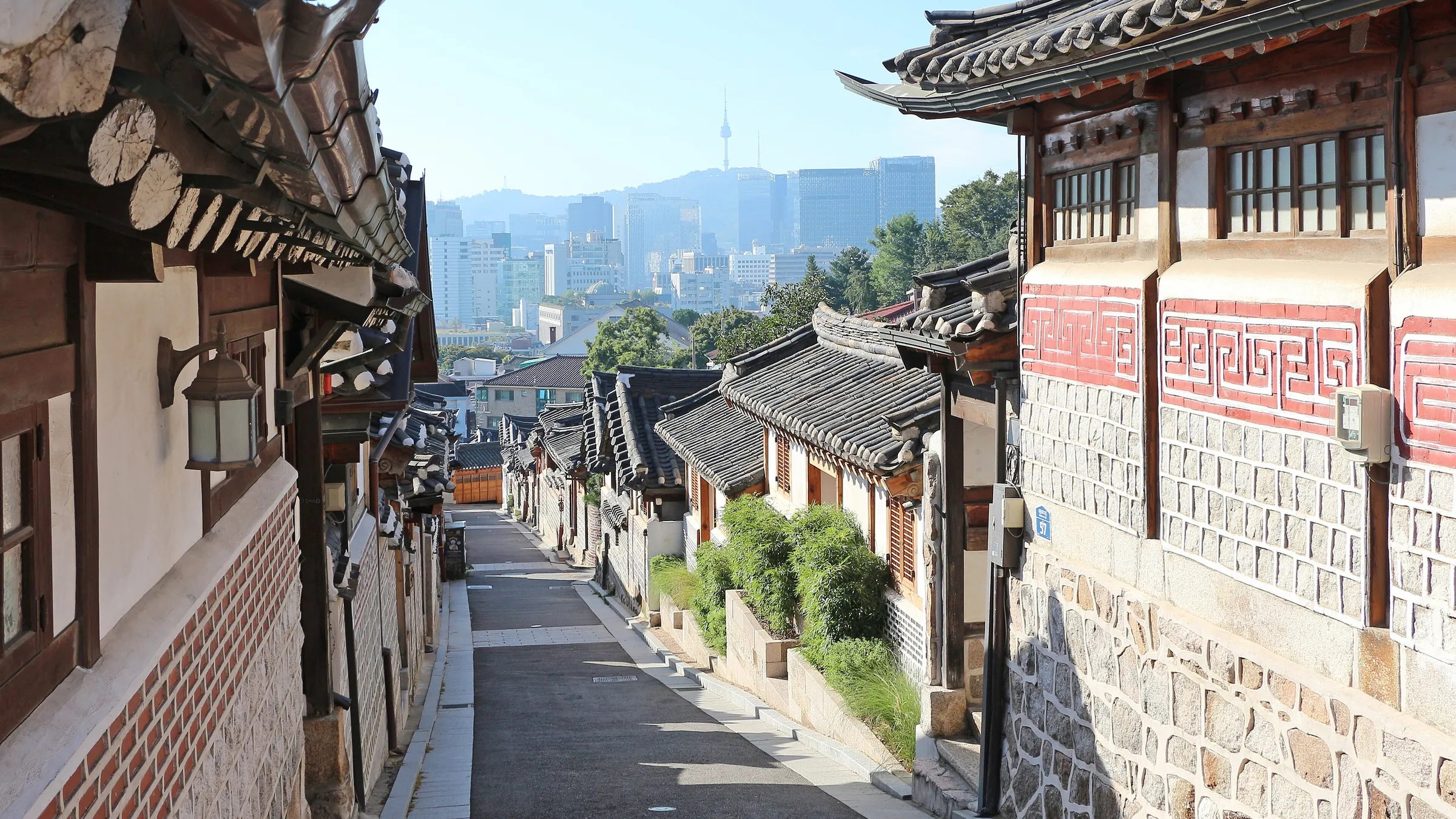
Seoul deserves the most time. It combines five Joseon-dynasty palaces, traditional hanok neighborhoods, markets, museums, contemporary design and mountains within the city limits.
Gyeongju, the capital of the ancient Silla kingdom, is South Korea's great heritage city, with royal tombs, Bulguksa Temple and the Seokguram Grotto.
Busan, the country's second city, adds the sea: beaches, a famous fish market, hillside villages and coastal temples.
Jeju Island, a short flight from Seoul or Busan, is a volcanic island of coastal trails, craters and lava tubes.
A sample 10-day route
| Days | Base | Highlights |
|---|---|---|
| 1 to 5 | Seoul | Gyeongbokgung and Changdeokgung palaces, Bukchon, Gwangjang Market, museums, a DMZ tour or mountain hike |
| 6 to 7 | Gyeongju | Royal tombs, Bulguksa Temple, Seokguram Grotto, Donggung Palace at dusk |
| 8 to 10 | Busan | Jagalchi Market, Gamcheon Culture Village, Haedong Yonggungsa, coastal walks |
Fly into Seoul and out of Busan, or connect onward to Japan from Busan. For an extended version, see our 18-day Japan and South Korea journey.
Getting around
- KTX high-speed trains connect Seoul with Gyeongju and Busan. Trains are comfortable and frequent; reserve seats ahead at busy times.
- Domestic flights connect Seoul and Busan with Jeju.
- Subways and buses in Seoul and Busan are efficient, and a rechargeable transport card makes them easy to use.
- Navigation: local apps such as Naver Map and KakaoMap generally give more reliable walking and transit directions than international map apps.
- Private drivers are useful in Gyeongju, where sites are spread out, and on Jeju.
Where to stay in Seoul
Seoul is large, and the right neighborhood depends on what you want:
- Jongno and Gwanghwamun: close to the palaces, Bukchon and Insadong; ideal for a first visit focused on history.
- Myeongdong and Jung-gu: central, convenient and busy, with easy access to most areas.
- Hannam and Itaewon: a cosmopolitan area with galleries, restaurants and design stores.
- Gangnam: modern, upscale and business-oriented, south of the Han River.
- A hanok stay: a night or two in a restored traditional house in Bukchon offers a memorable contrast.
Food and culture
Korean food is a highlight of any trip: barbecue, stews, bibimbap, fried chicken, market snacks and refined temple cuisine. Meals are often shared, with many small side dishes (banchan). A guided market tour on your first full day helps you understand menus and ordering.
Cultural experiences worth considering include a temple stay, a tea ceremony, a hanbok rental to visit the palaces, and performances of traditional music.
Practical tips
- Entry requirements: US passport holders can generally visit visa-free for short tourist stays. Under a temporary exemption, they do not need a K-ETA (Korea Electronic Travel Authorization) for travel through December 31, 2026 (see the Korean Embassy notice); at the time of writing, no extension into 2027 had been announced. Travelers without a K-ETA submit an arrival card. Check the official K-ETA website before you travel.
- Payments: cards are accepted almost everywhere; carry a little cash for markets.
- Connectivity: an eSIM or local SIM makes navigation and translation apps much more useful.
- Etiquette: remove shoes in homes and some traditional restaurants, and tipping is not customary.
- Holidays: avoid Seollal and Chuseok if you prefer quieter transport and fewer closures.
- Season: spring and autumn are most comfortable; see the best time to visit South Korea.
Common mistakes
- Only visiting Seoul. It is wonderful, but Gyeongju and Busan show a different side of the country.
- Relying on international map apps for walking and transit directions.
- Traveling over a major holiday without booking trains well ahead.
- Underestimating winter cold or summer rain.
Frequently asked questions
How many days do you need in South Korea?
Nine to twelve days is ideal for a first trip covering Seoul, Gyeongju and Busan. A week works if you choose two bases.
Is South Korea easy to travel for English speakers?
Generally, yes. Signs on public transport are in English, and translation apps help elsewhere. A guide is useful for markets and cultural sites.
Should I visit Busan or Jeju?
Busan offers a lively seaside city; Jeju offers volcanic nature and walking. With limited time, Busan is easier to combine with Seoul and Gyeongju by train.
Can I combine South Korea and Japan?
Yes. Short flights connect the two countries, and the combination works well in spring and autumn.